

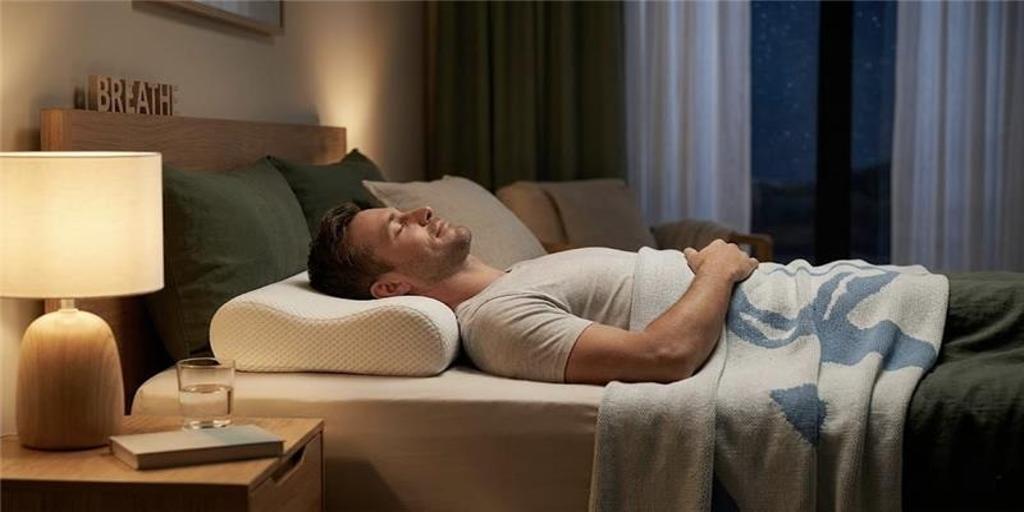
Snoring can disturb your sleep, your partner’s sleep, and your mood the next day. Many people look for an easy fix at home, and a pillow is often the first thing they try. A snore reduction pillow can help in many cases, mainly when snoring is linked to sleep posture and blocked airflow.
Still, it is not magic. The right pillow works best when you choose it correctly and use it with the right sleeping position.
What Causes Snoring and How Pillow Position Plays a Role
Snoring happens when air does not move freely through your nose and throat during sleep. The tissues vibrate and create that sound.
Common causes include sleeping on your back, nasal blockage, allergies, weight gain, tiredness, and alcohol before bed.
Pillow height and shape matter because they decide where your head and neck sit. If your chin drops toward your chest, your airway can narrow.
If your head tilts too far back, your mouth may open, and snoring can worsen. A supportive pillow can gently align your head and neck so breathing feels easier.
What is a Snore Reduction Pillow?
A snore reduction pillow is designed to support your head, neck, and jaw in a better position. The goal is to improve airflow while you sleep.
Unlike a normal pillow that may flatten or push your neck at an odd angle, these pillows often have a contoured shape or firmer support. Some are made to encourage side sleeping, which is helpful for many snorers.
If you are searching for a pillow reduce snoring, think of it as posture support first, not a medicine replacement.
Also Read:- How to Choose the Best Pillow for Neck Pain? A Detailed Guide
How an Anti-Snoring Pillow Works to Improve Breathing
These pillows work by improving alignment and reducing airway blockage. When your posture is better, your breathing can feel smoother.
A good anti-snoring pillow keeps your head level, supports the neck curve, and reduces the chance of your jaw dropping back. This can lower throat vibration and reduce mouth breathing for some people.
Many users ask, do anti-snore pillows work for everyone? They work best for posture-related snoring. If snoring is due to severe nasal issues or sleep apnea, a pillow alone may not be enough. If you wake up choking, gasping, or feeling sleepy during the day, it is safer to talk to a doctor.
Pillow to Stop Snoring vs Regular Pillow: Key Differences
A regular pillow mainly gives softness and comfort. A pillow to stop snoring focuses more on support and positioning.
Regular pillows can lose shape quickly, especially if they are very fluffy or too soft. That makes your head sink and your neck bend. Snoring pillows are built to hold their shape and keep the neck supported through the night.
Many are contoured so your head rests in a stable zone, and your shoulder has space, which helps side sleepers. The difference is not only shape, but also the way the pillow maintains support for hours.
Pillow to Prevent Snoring by Improving Sleep Posture
Snoring often gets worse when your airway is squeezed by poor posture. A pillow to prevent snoring aims to keep the airway open by keeping the posture neutral.
For many people, the biggest benefit comes from reducing back sleeping. When you sleep on your back, the tongue and soft tissues can fall backwards and narrow the airway.
A pillow that supports side sleeping can reduce this. It also helps when your neck pain makes you toss and turn. With stable support, you shift less, and your breathing stays more consistent.
Who Should Use a Pillow to Reduce Snoring?
A pillow helps most when snoring is mild to moderate and posture-related. It is also useful when your current pillow feels too flat or too high.
If you snore more on your back, if you wake with a dry mouth, or if your partner notices snoring increases when you are tired, a posture-focused pillow may help.
Side sleepers who need better neck support can benefit, too. If you have chronic sinus issues, severe snoring, or signs of sleep apnea, use the pillow as support, but do not delay medical advice.
Best Sleeping Positions When Using an Anti-Snoring Pillow
Position matters as much as the pillow. The right posture helps the pillow do its job.
Side sleeping is usually the best starting point. Keep your head aligned with your spine, not tilted up or down.
If you prefer back sleeping, choose a lower-profile pillow that supports the neck without pushing the head forward. Try to avoid sleeping face down, as it can strain the neck and restrict breathing. Give your body a few nights to adjust, because a new pillow can feel different at first.
Also Read:- The Ultimate Guide to Choosing the Perfect Neck Rest Pillow
How to Choose the Right Pillow to Reduce Snoring
The best choice depends on your sleep position, shoulder width, and comfort needs. One pillow does not suit everyone, so focus on fit, not just claims.
If you mostly sleep on your side, look for a contoured pillow with enough height to fill the gap between your shoulder and neck. If you sleep on your back, a medium-height pillow with steady neck support is often better.
Choose materials that hold shape and feel comfortable in Indian weather. Also, check if the cover is washable, because a clean pillow helps if you have allergies. If you want reliable support and durability, explore Centuary pillows made for steady neck comfort, and check product details for support type and care instructions before you buy.
Frequently Asked Questions (FAQs)
Yes, if your snoring is linked to posture or back sleeping. A supportive pillow can improve alignment and airflow.
Some notice changes in a few nights, but many need one to two weeks to adjust to the new support.
Often, yes. A contoured or medium-firm pillow can keep the neck supported better than a very soft pillow.
They can help if mouth breathing is caused by jaw drop due to posture. If nasal blockage is the issue, treat that too.
Yes, many snoring pillows are designed for side sleeping and provide space for the shoulder with better neck support.
They may reduce symptoms for some, but sleep apnea needs medical advice. Use the pillow as support, not as the only solution.
Usually, yes, if the pillow height feels comfortable and does not strain the neck. If there is neck pain, choose gentle support.
Yes, weight control, reducing alcohol at night, treating nasal blockage, and a better sleep routine can improve results with a pillow.
