
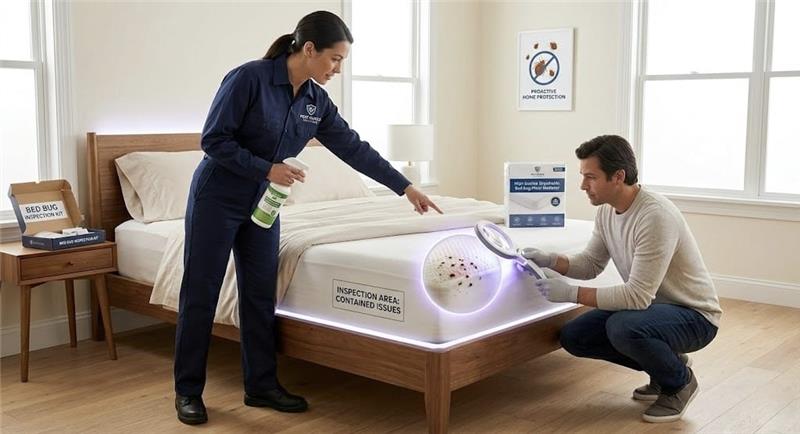

Bed bugs are stressful, and the worst part is that they can come back if even a few survive. If you want a result that lasts, you need a mix of cleaning, heat, careful isolation, and the right treatment plan for your home and mattress.
This guide walks you through the best remedies for bedbugs, simple home steps, natural options, etc.
What Are Bed Bugs and Why Are They Hard to Eliminate
Bed bugs are tiny insects that feed on human blood, usually at night. They hide in seams, cracks, and corners that are hard to spot.
They are tough because they spread quietly, lay many eggs, and can survive for weeks without feeding, especially in hidden areas like bed frames and skirting gaps.
Bed bugs do not fly, but they travel easily through luggage, furniture, and even visitors’ bags. In Indian homes, they often enter after travel, moving into a new rental, buying second-hand furniture, or staying in shared accommodation.
Signs of Bed Bug Infestation in the Home and Mattress
Bed bugs leave clues, but you have to know where to look. Early detection makes treatment faster and cheaper.
Common signs include:
- Itchy bites in a line or cluster
- Tiny blood spots on bedsheets
- Black dot-like stains near mattress seams
- Slightly musty smell in severe cases.
Check the mattress piping, the tag area, the corners of the bed, behind the headboard, under the cot, and even sofa edges if you nap there often.
Best Remedy for Bed Bugs at Home
Home treatment works best when you act early and stay consistent for a few weeks. One quick clean is not enough.
- Start by washing all bed linens, pillow covers, and clothes from nearby storage in hot water, then dry on high heat.
- Vacuum the mattress seams, bed frame joints, and nearby floor edges slowly and thoroughly.
- After vacuuming, seal and discard the bag outside, or empty the canister into a sealed bag and dispose of it.
- Reduce clutter near the bed, move the bed slightly away from the wall, and keep bedding from touching the floor.
These steps support the best remedy for bedbugs because they remove hiding places and break the spread cycle.
Best Cure for Bed Bugs Using Natural Methods
Natural methods are safer for daily use, but they work best as support, not as the only solution in a heavy infestation.
Heat is your best friend. Sun drying helps for pillows and some washable items, but it is not always consistent. A better option is using a good steam cleaner on mattress seams, bed edges, and cracks where bugs hide. Steam can kill bugs and eggs when done slowly and close to the surface.
Diatomaceous earth can help in dry areas like bed legs and skirting gaps, but you must use only a product meant for pest control and avoid breathing the dust.
Best Treatment for Bed Bugs with Professional Solutions
Professional treatment is usually the fastest route when the infestation is spread across rooms or keeps returning. Experts also know where bed bugs hide beyond the obvious spots.
A good pest control team may use targeted chemical applications, heat-based methods, or a combination approach, depending on the infestation level. They also guide you on preparation, like laundering, moving furniture safely, and protecting treated zones.
Chemical vs Non-Chemical Bed Bug Treatments
Both approaches can work, but each has strengths and limits. The smartest plan often combines them.
Chemical treatment can be effective when applied correctly to hiding spots and travel paths. But bed bugs can develop resistance, and incorrect use can be unsafe for your family.
Non-chemical methods like steam, heat, and deep cleaning are safer and kill eggs too, but they require effort and repeat sessions.
How to Treat Bed Bugs in Mattresses and Bedding
Your mattress is the main zone, so treat it like a project, not a one-time task. You want to remove bugs, kill eggs, and stop re-entry.
Wash and heat-dry all bedding. Steam the mattress seams, folds, and label area slowly. Vacuum again after steaming once the surface is dry. Then use a bed bug-proof mattress protector to trap any remaining bugs inside and stop new ones from settling into the mattress.
If your mattress is old, sagging, or heavily infested, replacing it can be a smart move. When you invest in a quality mattress from Centuary Mattresses, you also get stronger support and durability, and you can pair it with a good protector for extra peace of mind.
Preventing Bed Bugs from Returning
Prevention is where most people slip, and that is why bed bugs return. Small habits make a big difference.
After travel, unpack in a washable area, and heat-dry travel clothes if possible. Inspect luggage seams and keep bags away from the bed for a day or two. Avoid bringing second-hand furniture home without inspection and treatment.
At home, keep the bed area less cluttered, vacuum regularly near bed edges, and seal wall cracks and loose skirting gaps. Once you have done the hard work, prevention keeps your best cure for bed bugs from going to waste.
Also Read:-How to Clean a Mattress at Home Safely – Easy Step-by-Step Guide
When to Call Pest Control for Bed Bugs
Sometimes, calling professionals early saves time, money, and stress. Waiting too long often spreads the infestation to sofas, curtains, and wardrobes.
Call pest control if you see bed bugs in daylight, find them in multiple rooms, notice new bites despite repeated cleaning, or spot eggs and stains in many hiding points. Also consider expert help if you have elderly family members, kids, or anyone with allergies and sensitive skin.
In these situations, the best treatment for bed bugs is a planned professional job, supported by your home cleaning and heat routine.
