

Summary
- The wrong pillow can worsen neck pain by pushing your head and neck out of natural alignment during sleep.
- The right pillow should match your sleep position, support your neck curve, and keep your head level with your spine.
- Memory foam, latex, contour, and supportive fibre pillows can all work when the loft and firmness are correct.
- If your pillow feels flat, lumpy, or leaves you stiff each morning, it may be time to replace it.
Morning neck stiffness is often blamed on office chairs, long commutes, or phone time. Yet your pillow may be adding to the problem every night. A pillow should keep your head, neck, and spine in a relaxed line. If it is too high, too flat, too hard, or too soft, your neck muscles stay under strain while you sleep. This guide explains whether pillows can cause neck pain, what healthy support feels like, and how to find the right pillow for neck pain.
Can Pillows Cause Neck Pain?
Yes, pillows can contribute to neck pain when they bend the neck out of its natural position. Common causes include two bulky pillows, a flat pillow that lets the head drop, or a pillow that collapses. Stomach sleeping can also keep the neck twisted for hours.
A pillow is not always the only reason. Desk posture, stress, injuries, mattress support, and existing cervical problems may also matter. Still, if pain is worse after waking and improves during the day, check your pillow closely.
How to Find the Right Pillow for Neck Pain
The simplest test is alignment. When you lie down, your nose, chin, and chest should point forward, not upwards or downwards. The pillow should fill the gap between your neck and the mattress without lifting your head too much.
Before buying, check sleep position, height, firmness, neck curve support, breathable fabric, washable cover, and comfort after lying down. A good neck pillow for neck pain should feel supportive, though your body may need a few nights to adjust.
Also Read:-Ultimate Pillow Size Chart: A Guide To Every Type Of Bed
What Makes a Good Neck Pain Relief Pillow?
A good neck pain relief pillow balances comfort and support. It should hold its shape, cushion pressure points, and prevent the head from sinking too deeply. Memory foam, contoured foam, latex, and ergonomic fibre pillows can work.
Look for medium support, a neck-friendly shape, enough width, breathable fabric, and simple cleaning. The best pillow is not always the costliest. It is the one that keeps your neck neutral through the night.
Types of Neck Pillow for Sleeping
The right neck pillow for sleeping depends on how you use it. Common options include:
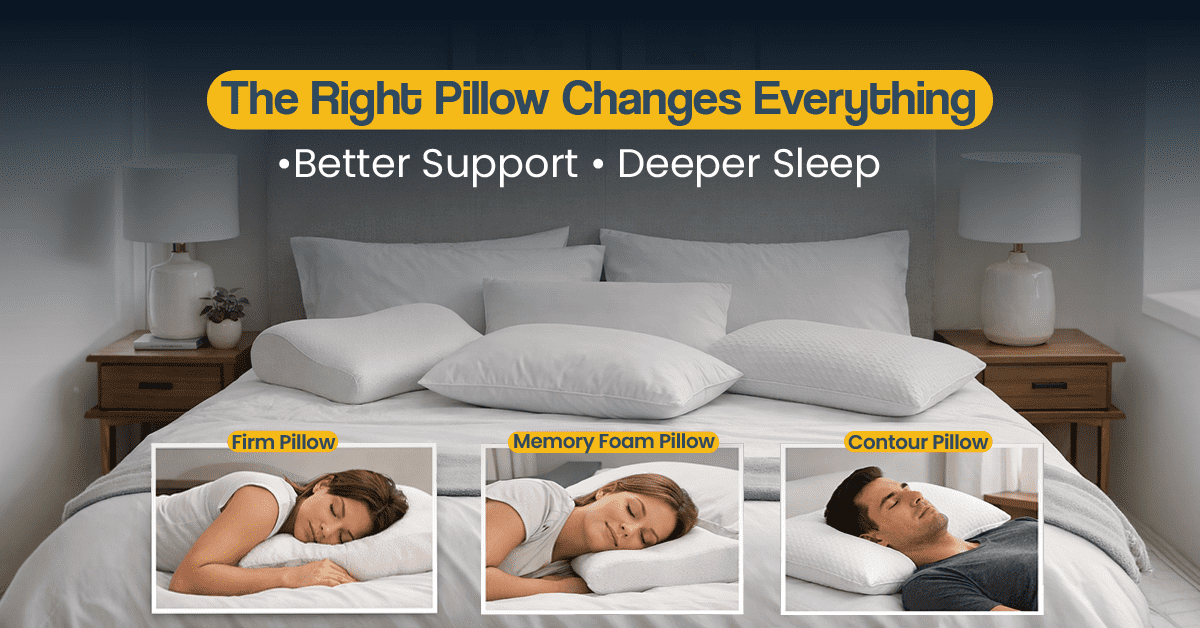
- Contour pillows: Raised at the neck with a lower head cradle.
- Memory foam pillows: Mould around the head and neck.
- Latex pillows: Springy, supportive, and usually breathable.
- Fibre pillows: Soft and light, but may flatten faster.
- Travel neck pillows: Useful in cars, buses, trains, or flights, but not ideal for daily bed use.
Choosing the Best Neck Pillow for Neck Pain Based on Sleep Position
Your sleep position decides the support you need. Side sleepers usually need a medium to high pillow that fills the shoulder-to-neck gap. Too low bends the head down. Too high tilts it up.
Back sleepers generally need a medium or low pillow with gentle neck support. A rounded edge or contour can support the natural curve without pushing the chin towards the chest
Stomach sleepers strain their necks because the head stays turned. If you cannot change this habit quickly, use very thin support.
Sleepables Neck Pillow
Many people can fall asleep almost anywhere, but the real problem starts after waking up with a stiff neck, lower back discomfort, or a severe headache. Centuary’s Sleepables Neck Pillow is designed to make rest more comfortable wherever you choose to sleep. Made with moulded memory foam, it offers balanced firmness and steady support for the neck and lower back. Its soft yet supportive feel makes it a useful travel or everyday pillow for those who need extra comfort while resting.
Also Read:The Ultimate Guide to Choosing the Perfect Neck Rest Pillow
Signs You Need a New Neck Pillow for Sleeping
Your pillow may need replacement if:
- You wake up with stiffness often
- It has lumps, sagging, or a dent
- You fold it for support
- You sleep better away from home
- It smells stale after airing
- You get headaches with morning tightness
Most pillows do not stay supportive forever. In humid weather, sweat, dust, and compression can reduce comfort faster.
Common Pillow Buying Mistakes That Increase Neck Pain
Many people buy pillows like cushions, by touch alone. That can lead to poor support. Common mistakes include choosing a pillow that is too high, assuming extra softness means comfort, using old pillows for years, ignoring sleep position, and copying someone else’s choice.
Another mistake is expecting a pillow to cure every neck problem. A pillow can support better sleep posture, but persistent pain needs medical advice, especially with numbness, weakness, fever, injury, or pain moving down the arm.
How Sleeping Habits Affect Neck Pain
Your pillow works with your sleep habits. Side sleeping and back sleeping are usually easier on the neck than stomach sleeping. Keeping the head at the same height as the body can reduce strain.
Small changes help. Avoid watching videos with your neck bent in bed. Do not sleep with your arm under the pillow if it lifts your shoulder. Side sleepers may benefit from a pillow between the knees.
Tips to Maintain Your Pillow and Reduce Neck Pain
Pillow care keeps support and hygiene in check. Use a washable cover, air the pillow regularly, and follow the brand’s cleaning instructions. Do not wash foam pillows unless the label allows it. Replace covers more often during summer and monsoon months.
Test your pillow every few months. If it no longer rebounds, feels uneven, or makes you adjust all night, replace it.
Final Thoughts on Choosing the Right Neck Pillow
Your pillow should make sleep easier, not leave you dealing with stiffness every morning. Focus on alignment, sleep position, material, and lasting support rather than only softness. Give comfort priority, but let alignment make the final decision each night. If pain continues despite changing your pillow and habits, consult a doctor or physiotherapist. The right pillow cannot fix every neck problem, but it can reduce nightly strain.
FAQs
How long does it take to adjust to a new neck pain relief pillow?
Most people need a few nights to a couple of weeks. If pain increases, the pillow may not suit you.
Can sleeping without a pillow reduce neck pain?
It may help some stomach sleepers, but side and back sleepers usually need support. The aim is neutral alignment, not simply removing the pillow.
Do cooling pillows help with neck discomfort during sleep?
Cooling pillows may improve comfort if heat makes you restless. However, cooling alone will not help much if the height or support is wrong.
Is a travel neck pillow suitable for everyday sleeping?
No. Travel pillows are made for upright rest during journeys. For daily sleep, choose a bed pillow that supports natural neck alignment.
Why does neck pain sometimes feel worse in the morning than at night?
Morning pain often happens because the neck has stayed in an awkward position for hours. A poor pillow, stomach sleeping, or an unsupportive mattress can contribute.
